THE REGION, UP CLOSE
A landscape with more than one story.
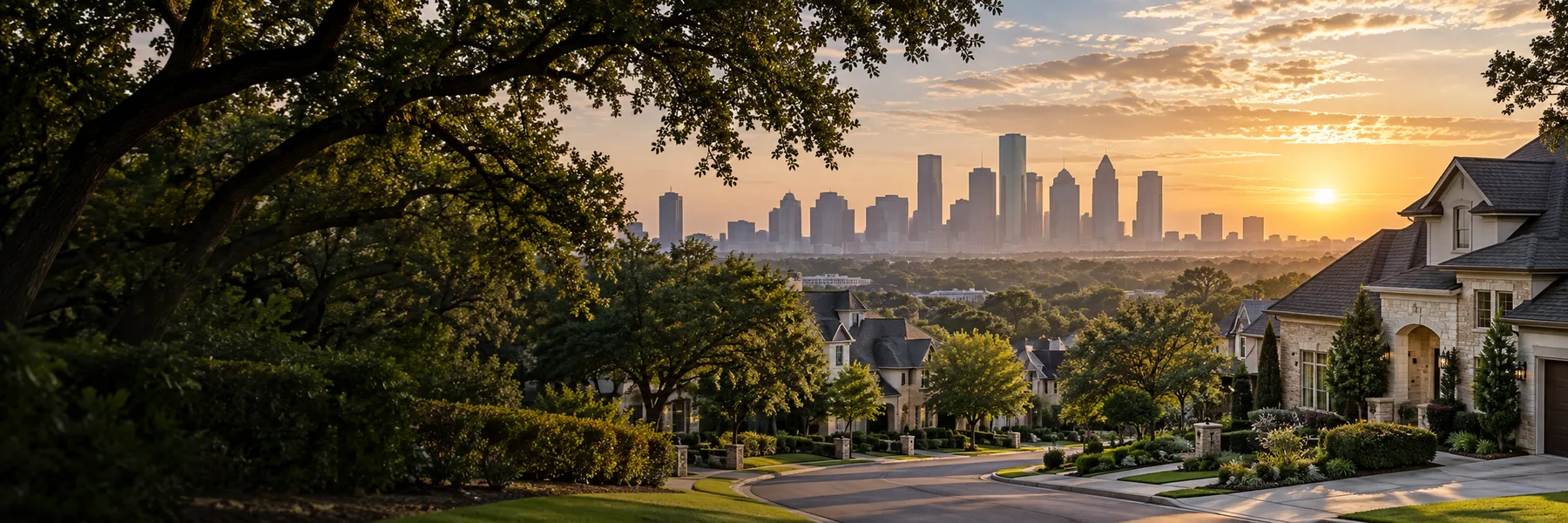
Our regional lens: Austin, Brazoria, Chambers, Fort Bend, Galveston, Harris, Liberty, Montgomery, San Jacinto and Waller counties.
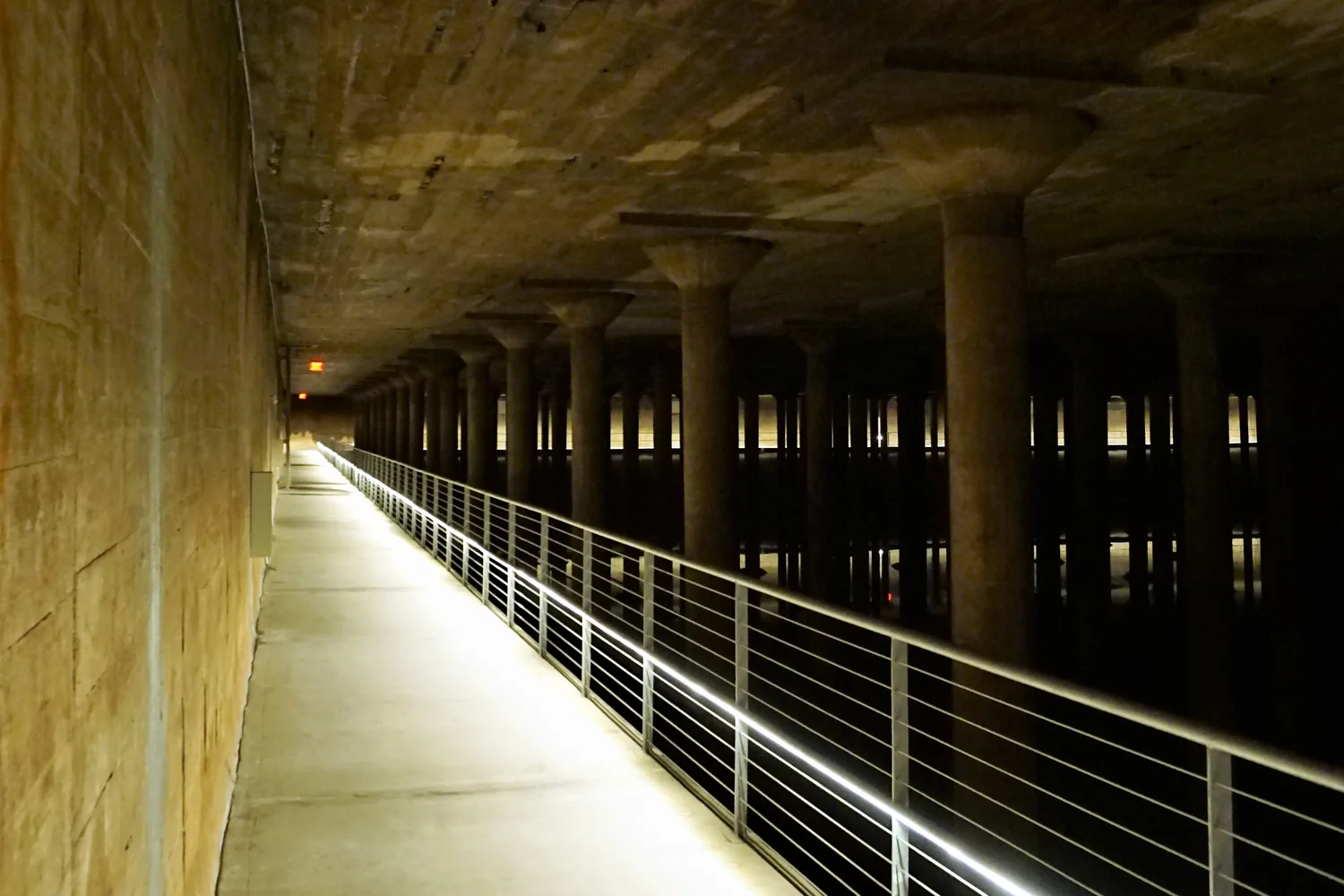
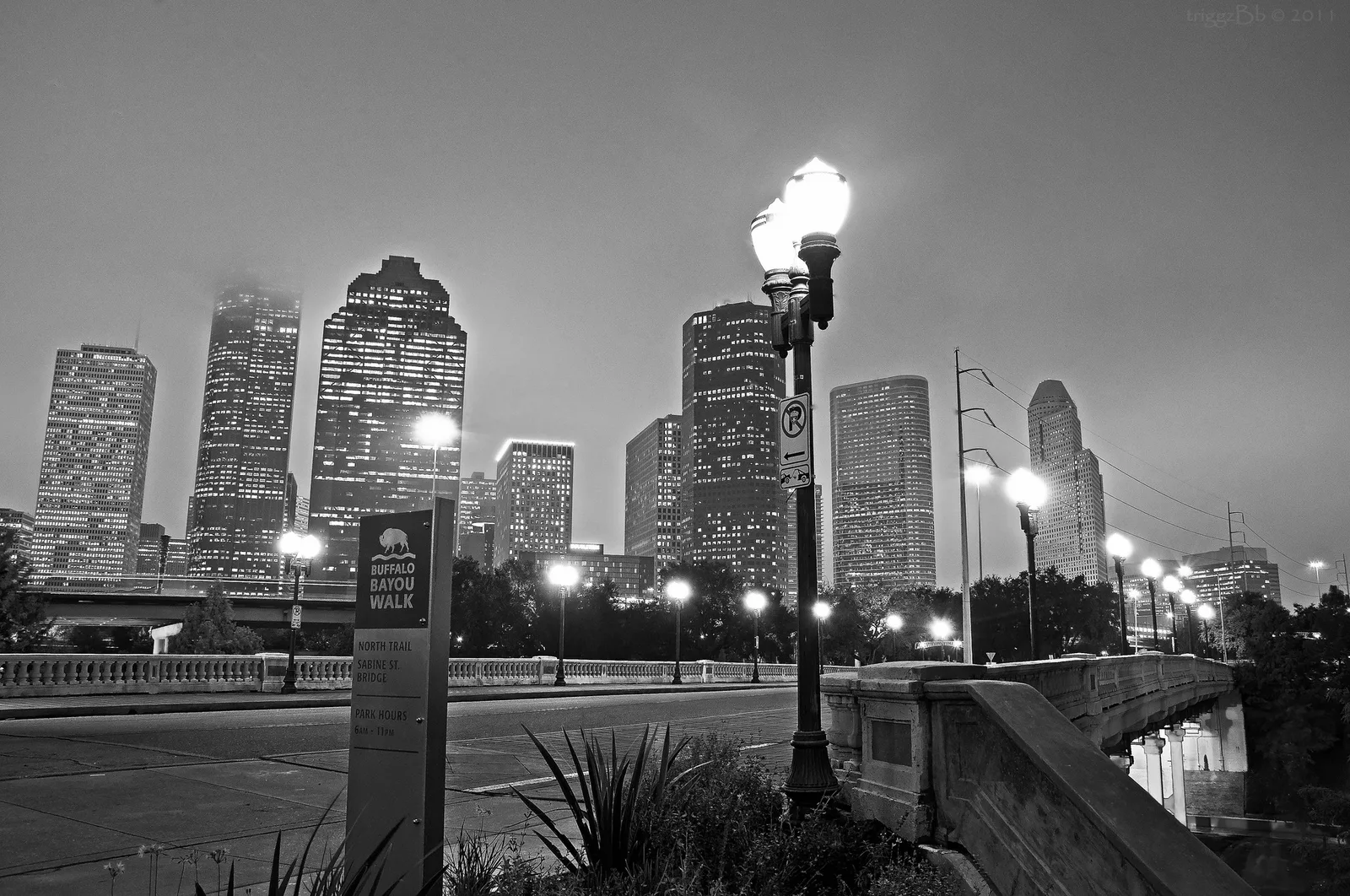
Buffalo Bayou offers a useful first way into the city. Above ground, paths and green spaces follow a waterway through the urban landscape; below ground, the Cistern transforms an old drinking-water reservoir into a remarkable public space. Built in 1926, it now hosts tours and changing artistic experiences. The pairing is especially Houston: infrastructure becomes somewhere to linger, and an ordinary practical system acquires an unexpected beauty. Begin at The Water Works and explore outward at walking pace.
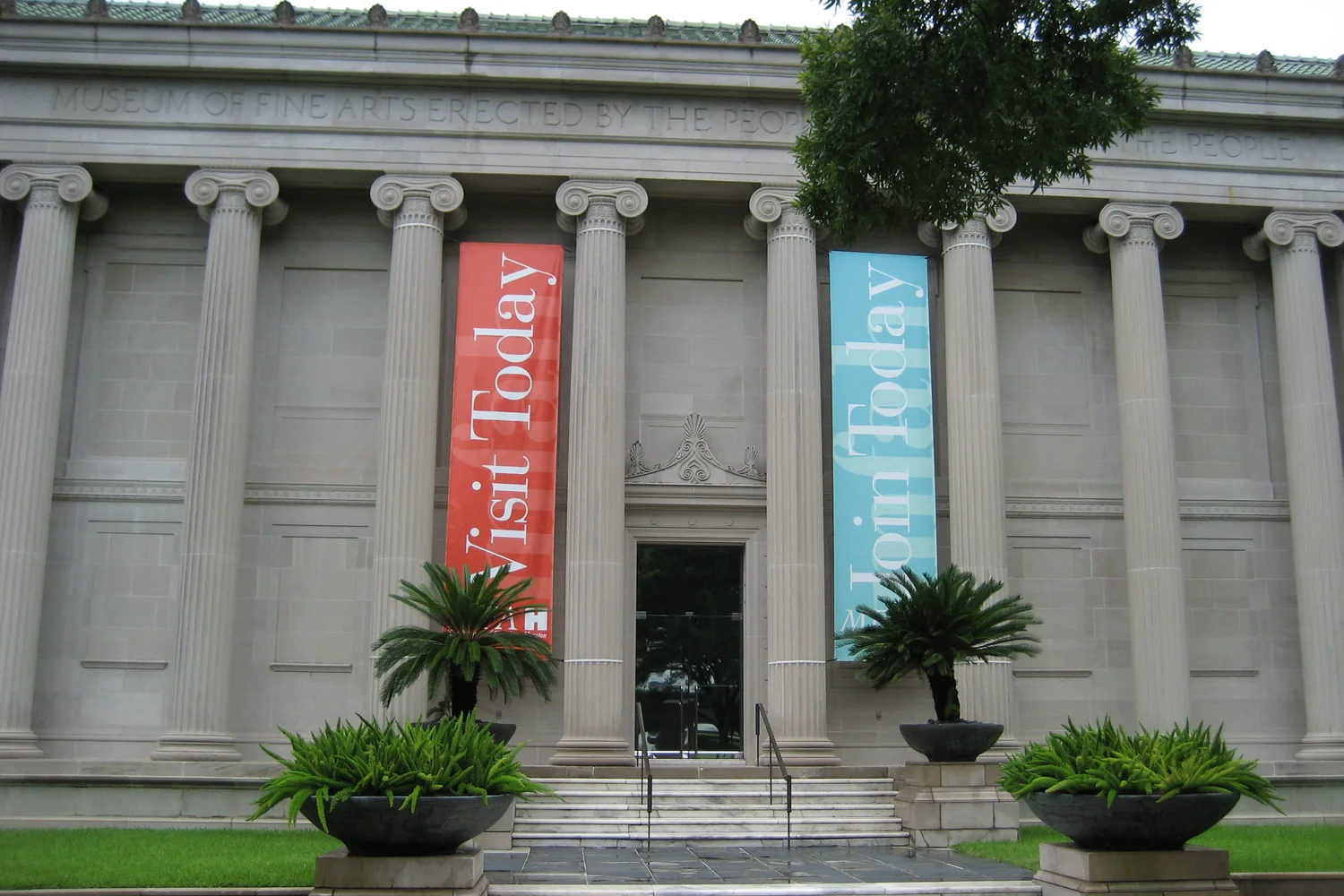
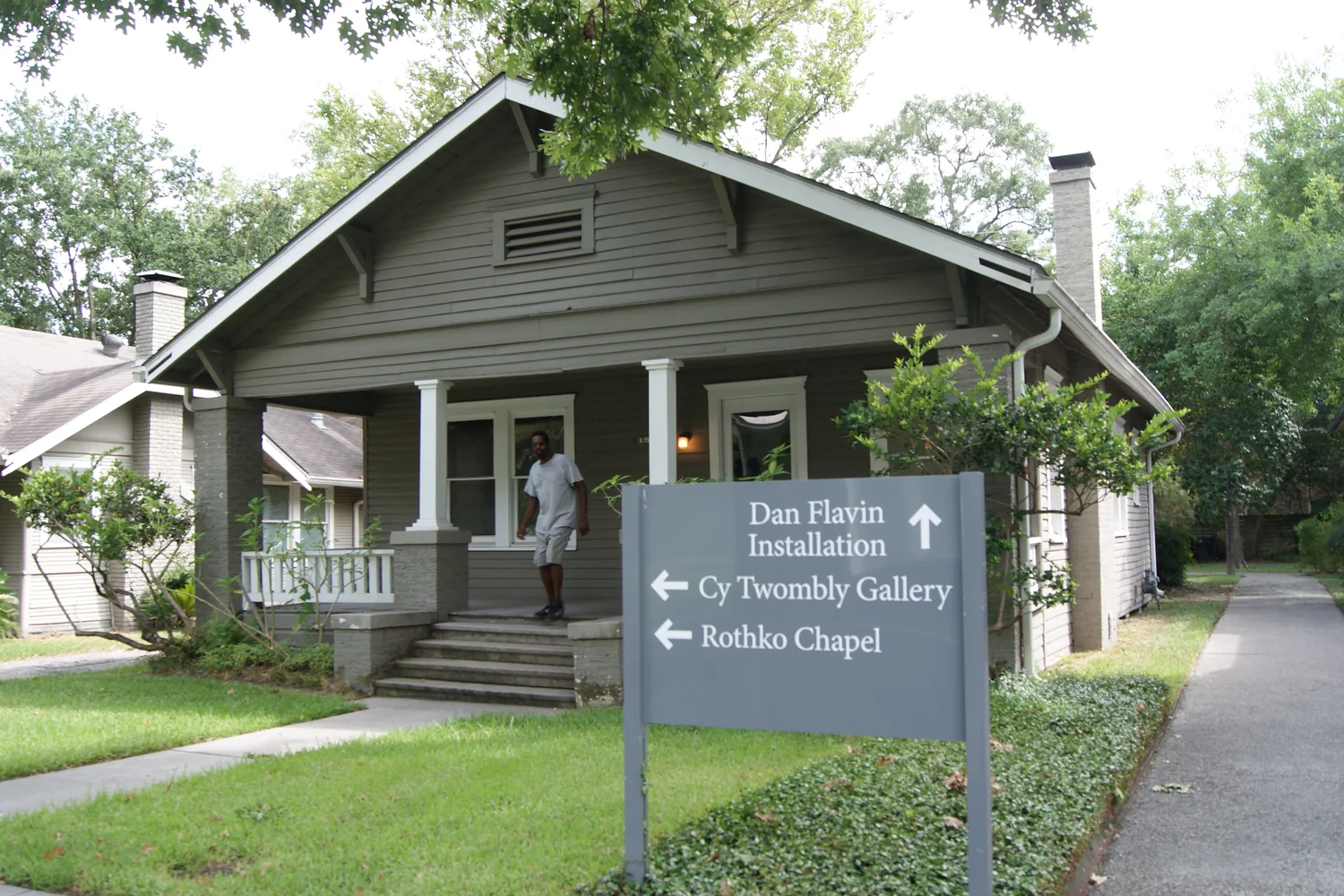
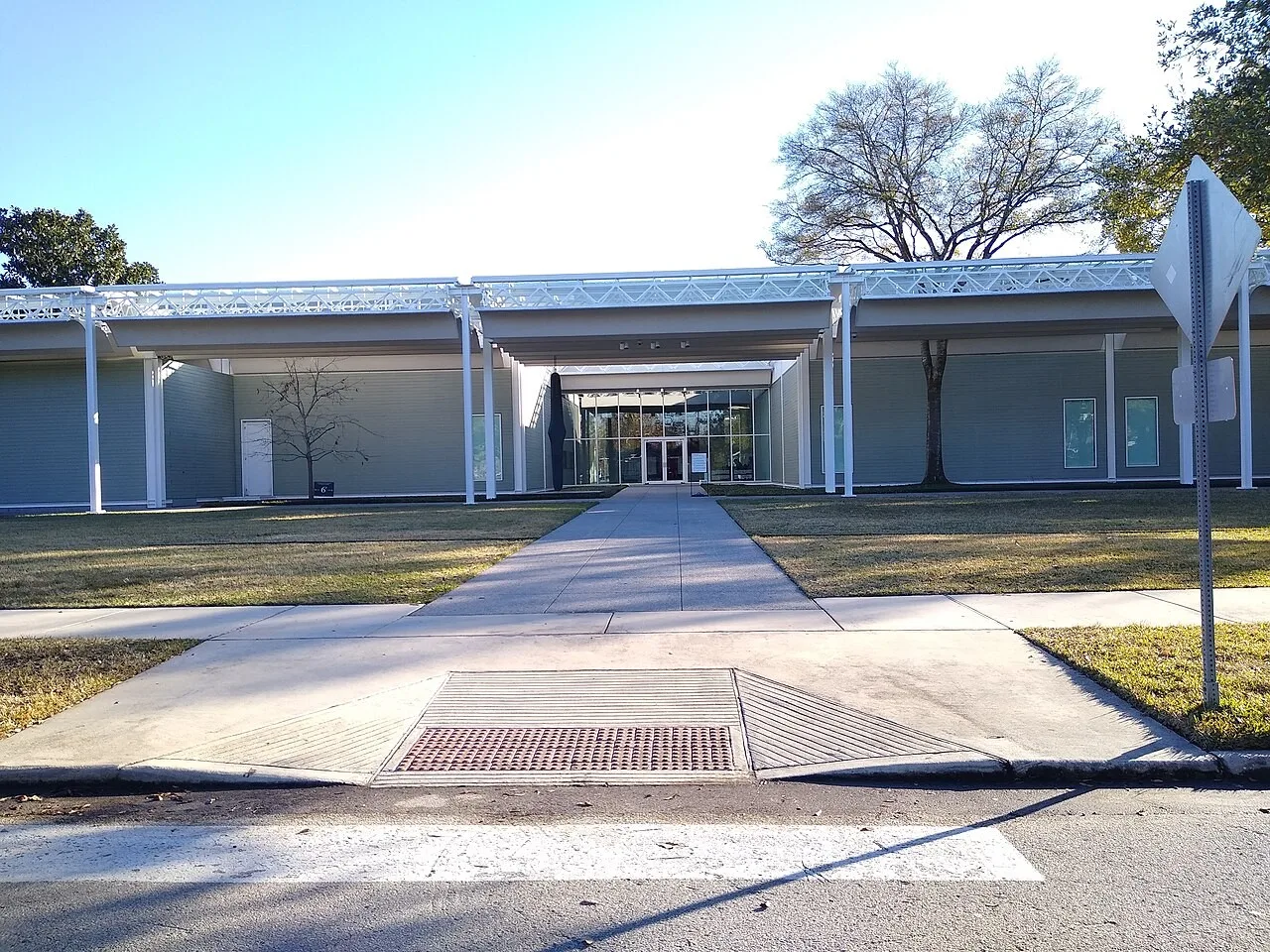
Art takes several forms of hospitality here. The Museum of Fine Arts, Houston invites an expansive visit across its campus, including modern and contemporary work in the Kinder Building. The Menil offers an altogether different rhythm, with naturally lit galleries and individual art buildings set into a residential neighborhood. It is worth treating them as separate encounters rather than interchangeable stops. At the Menil, walking between buildings and sitting among the green spaces are part of understanding the place.
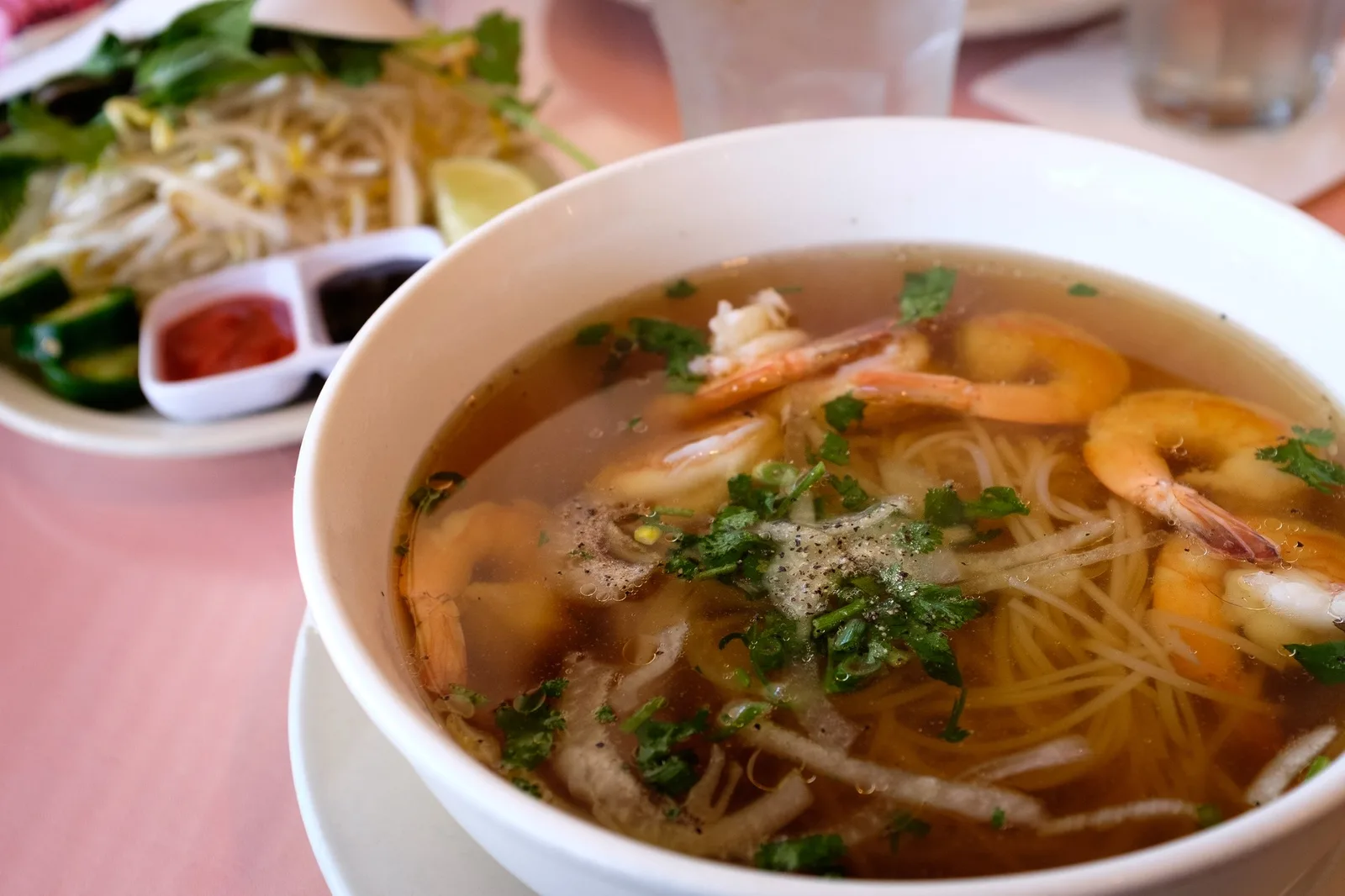
Houston’s food culture is clearest when you follow specific traditions rather than hunt for one dish that represents everyone. In southwest Houston’s Asiatown, Vietnamese cooking alone offers distinct regional cuisines and styles, alongside the neighborhood’s many other kitchens. Viet-Cajun crawfish is one especially local conversation between Gulf Coast ingredients and Vietnamese flavors. Let a meal become a reason to explore a commercial strip that might look unremarkable from the road. Here, the interesting destination is often behind the next shopfront.
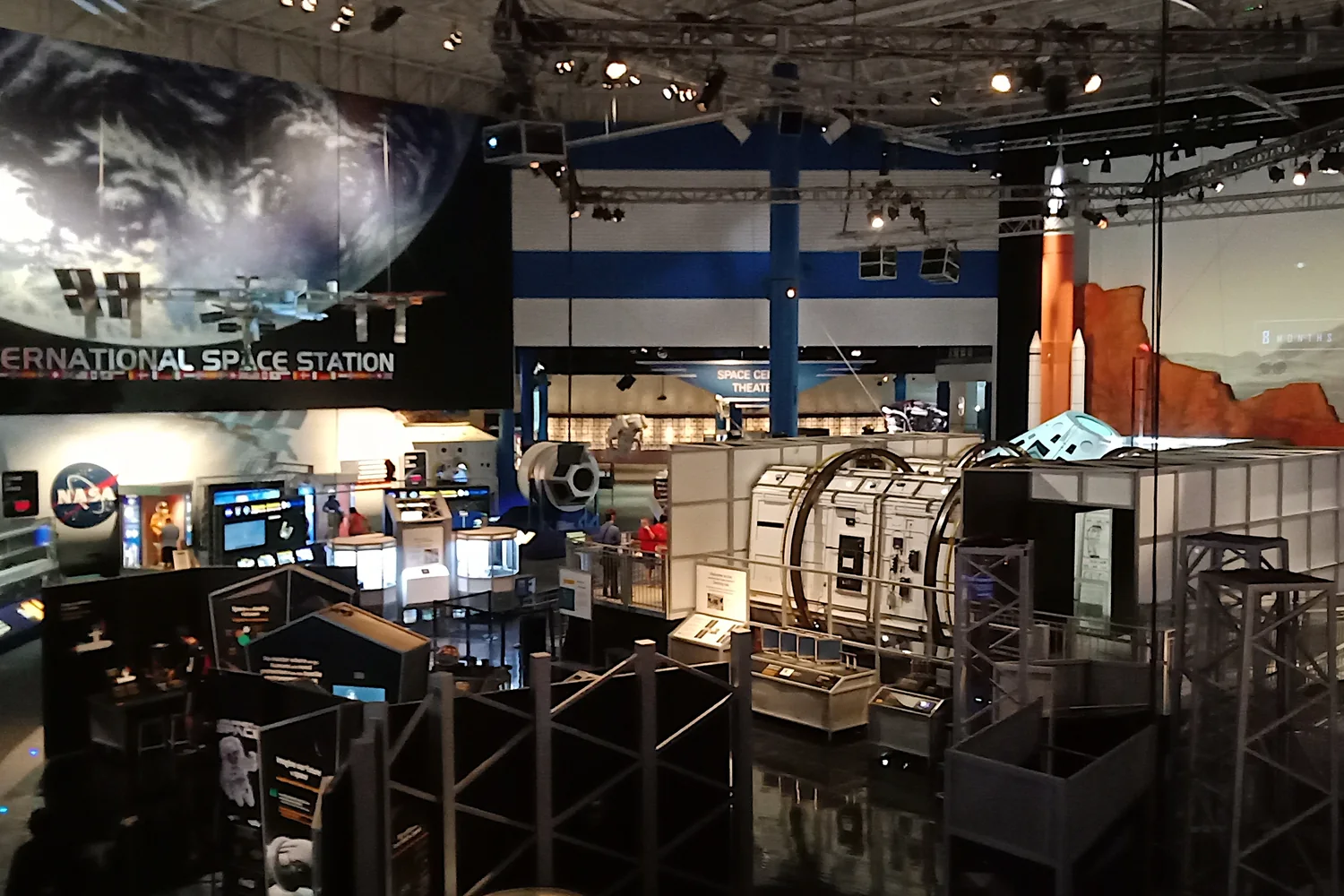
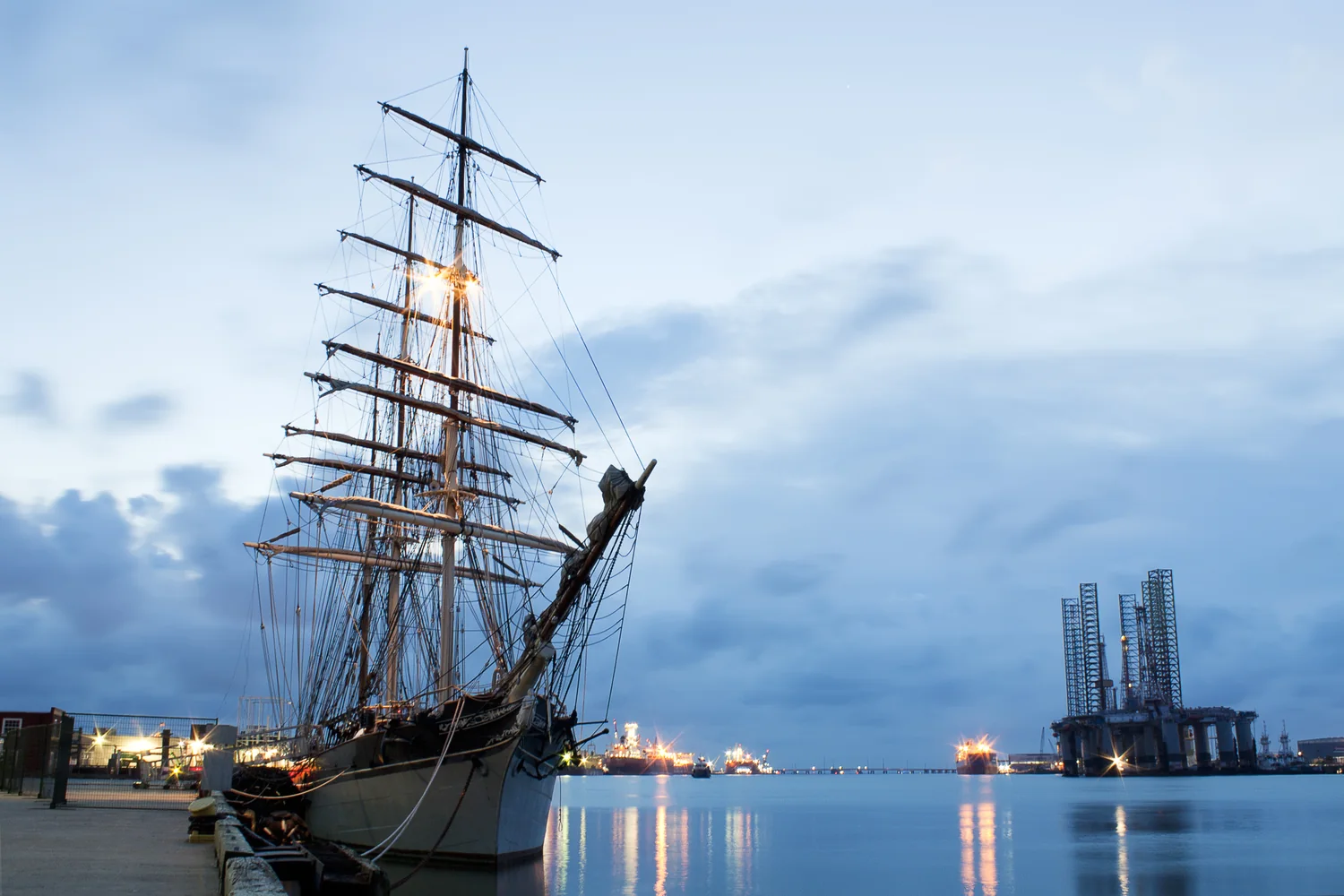
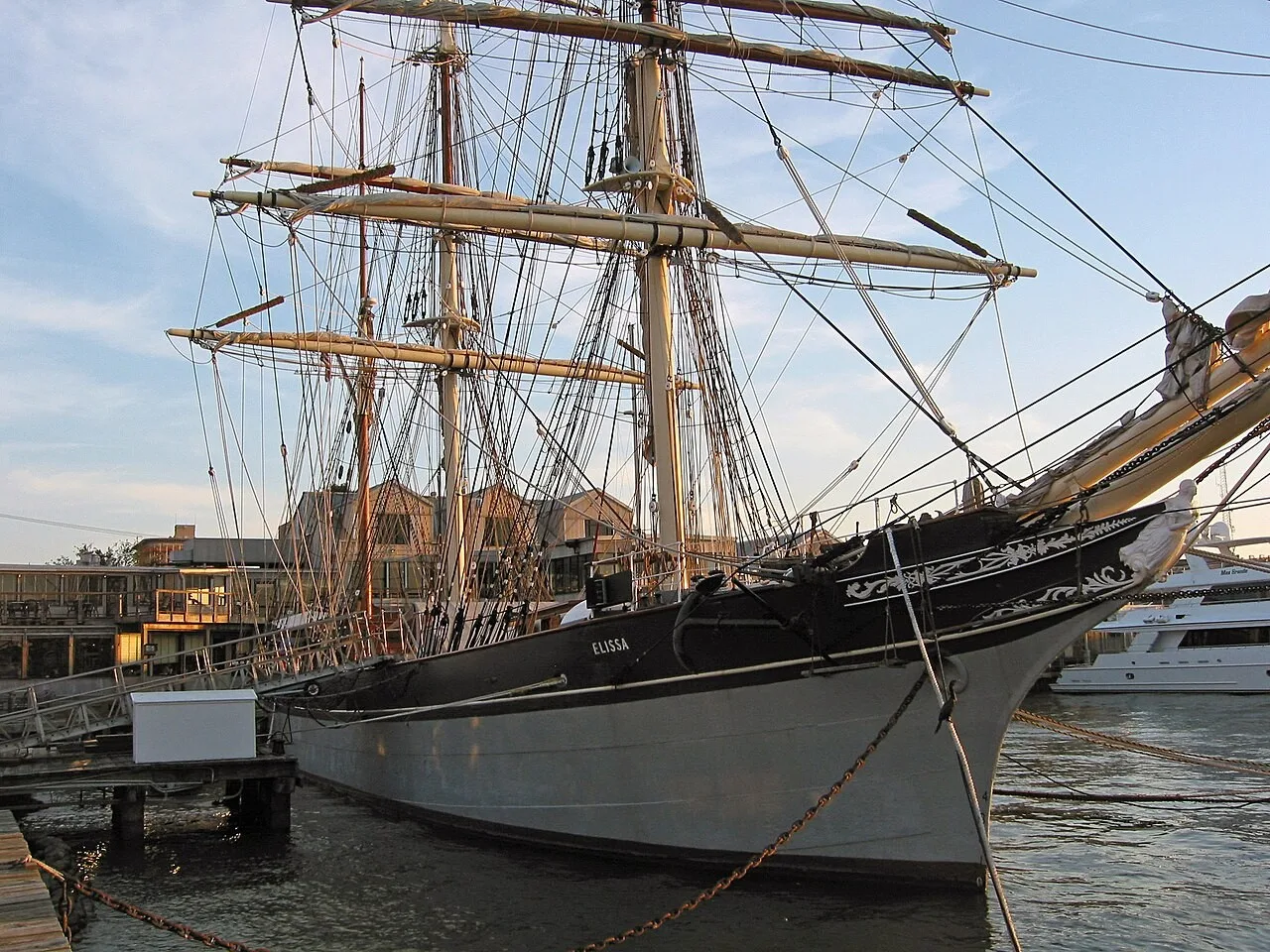
The southeastward journey links two very different kinds of long-distance travel. Space Center Houston opens a public route into the story of human spaceflight, with selected tram experiences entering NASA’s working Johnson Space Center. On Galveston’s waterfront, the restored sailing ship ELISSA and the Ship to Shore experience turn attention to sea passages and immigration. Keep these as substantial visits, not interchangeable attractions: one looks toward the engineering of exploration, the other toward the lives carried into a port city.
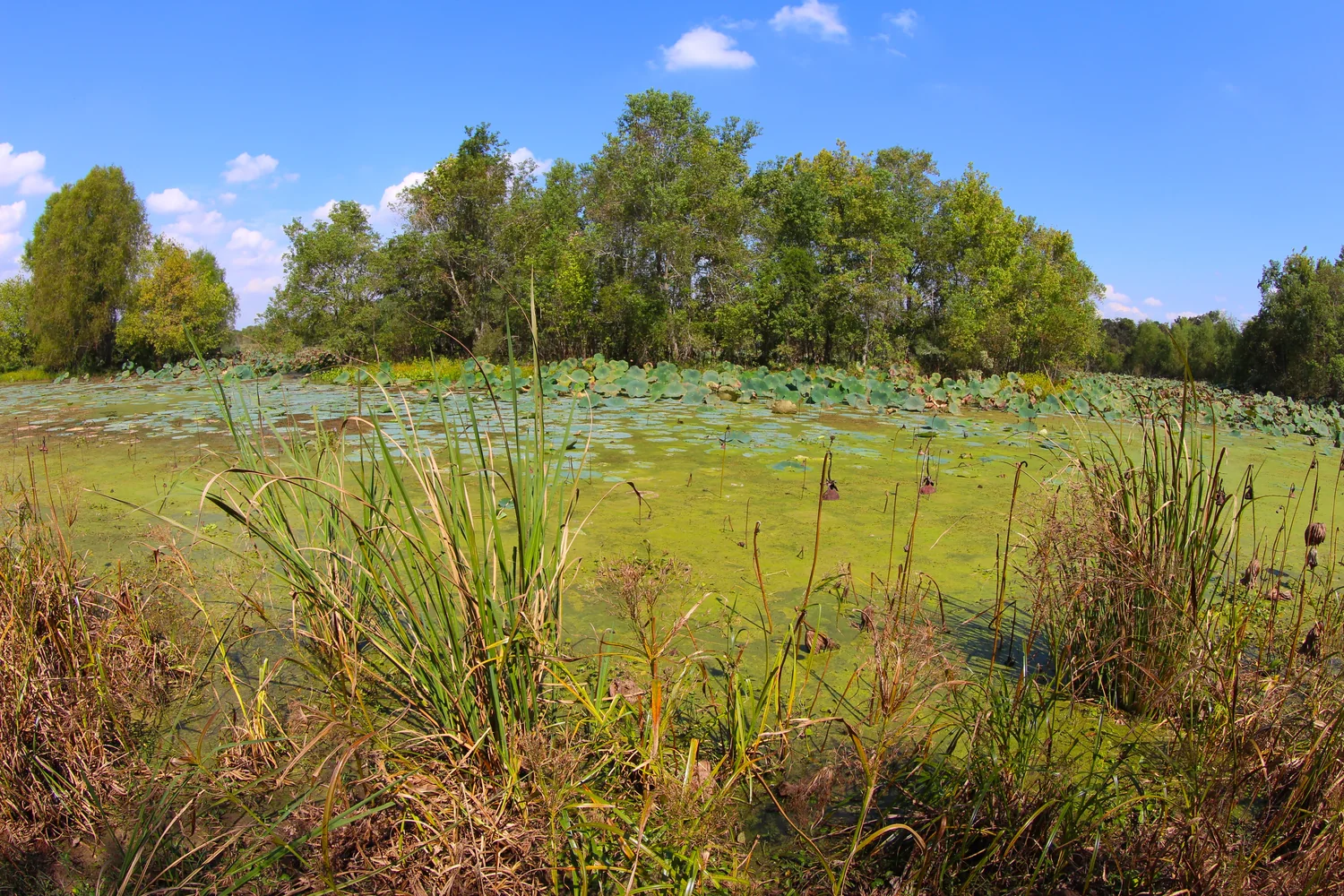
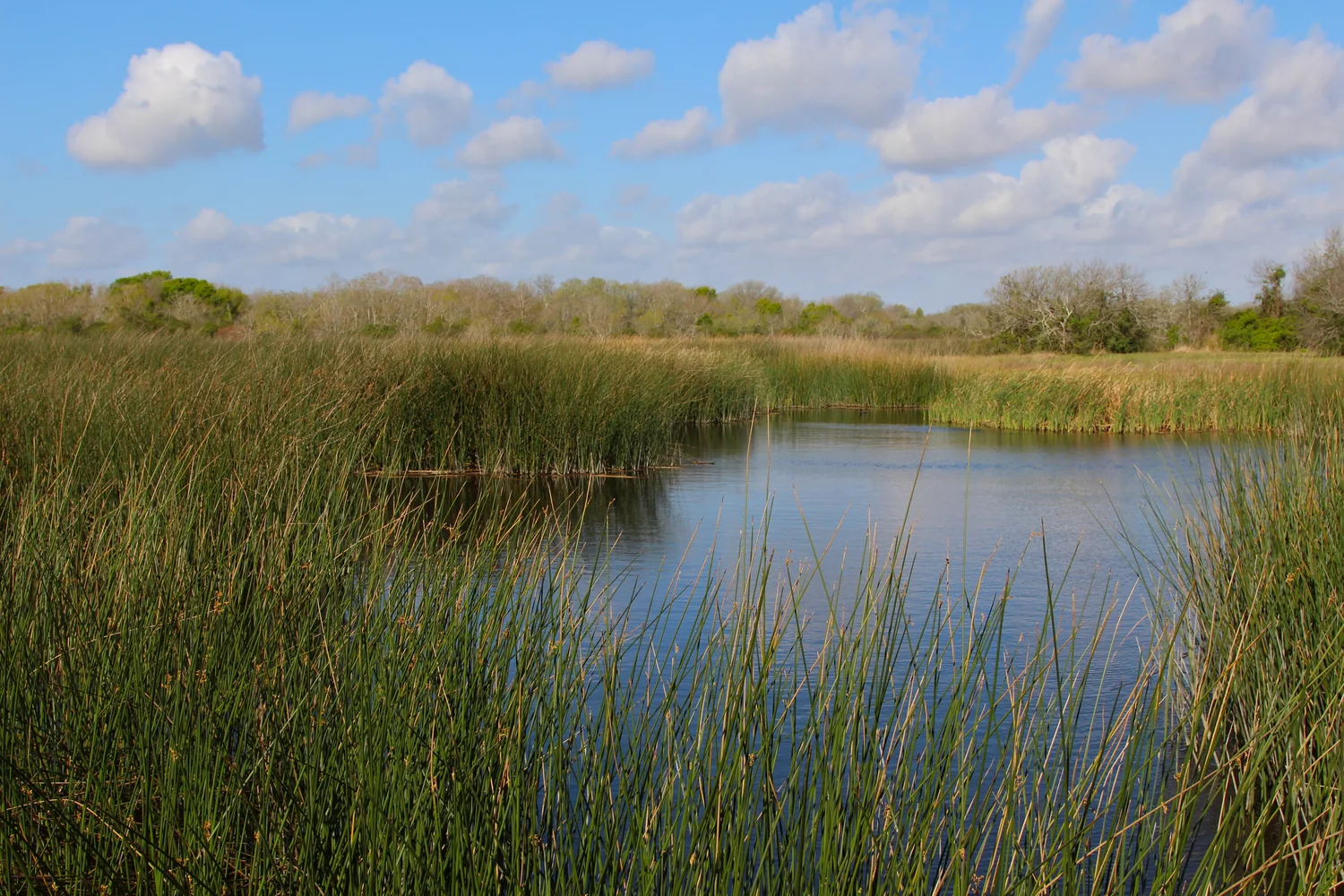
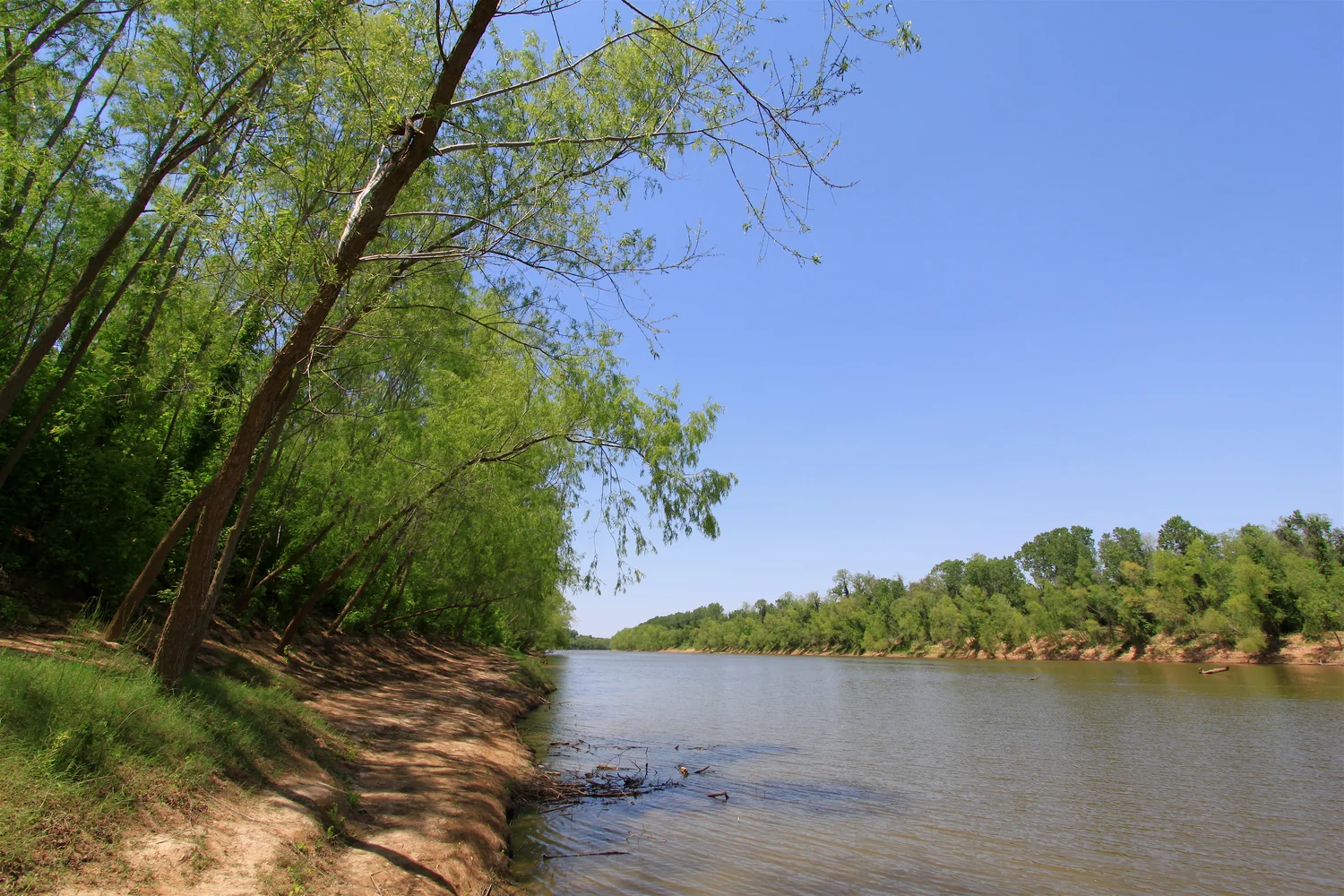
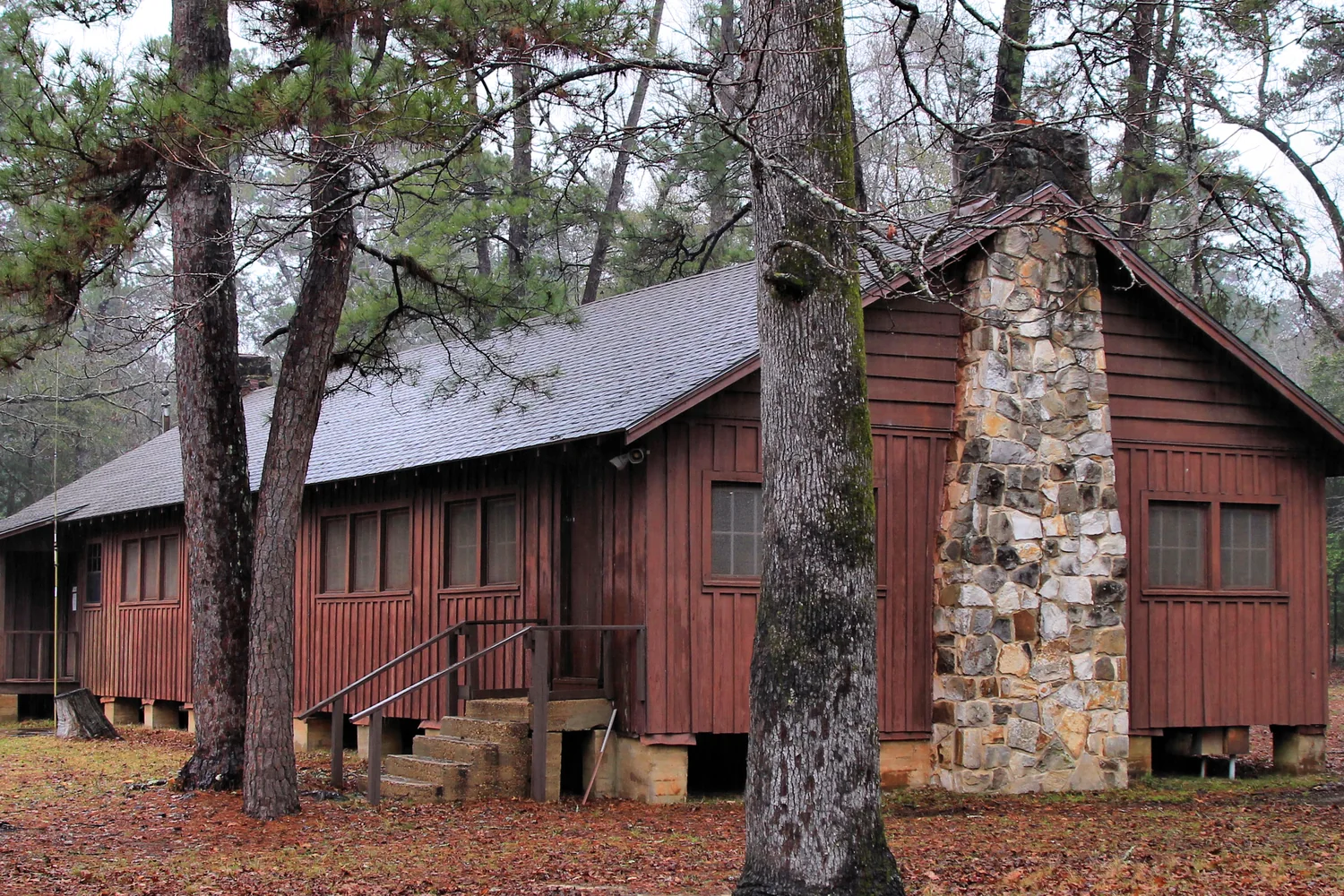
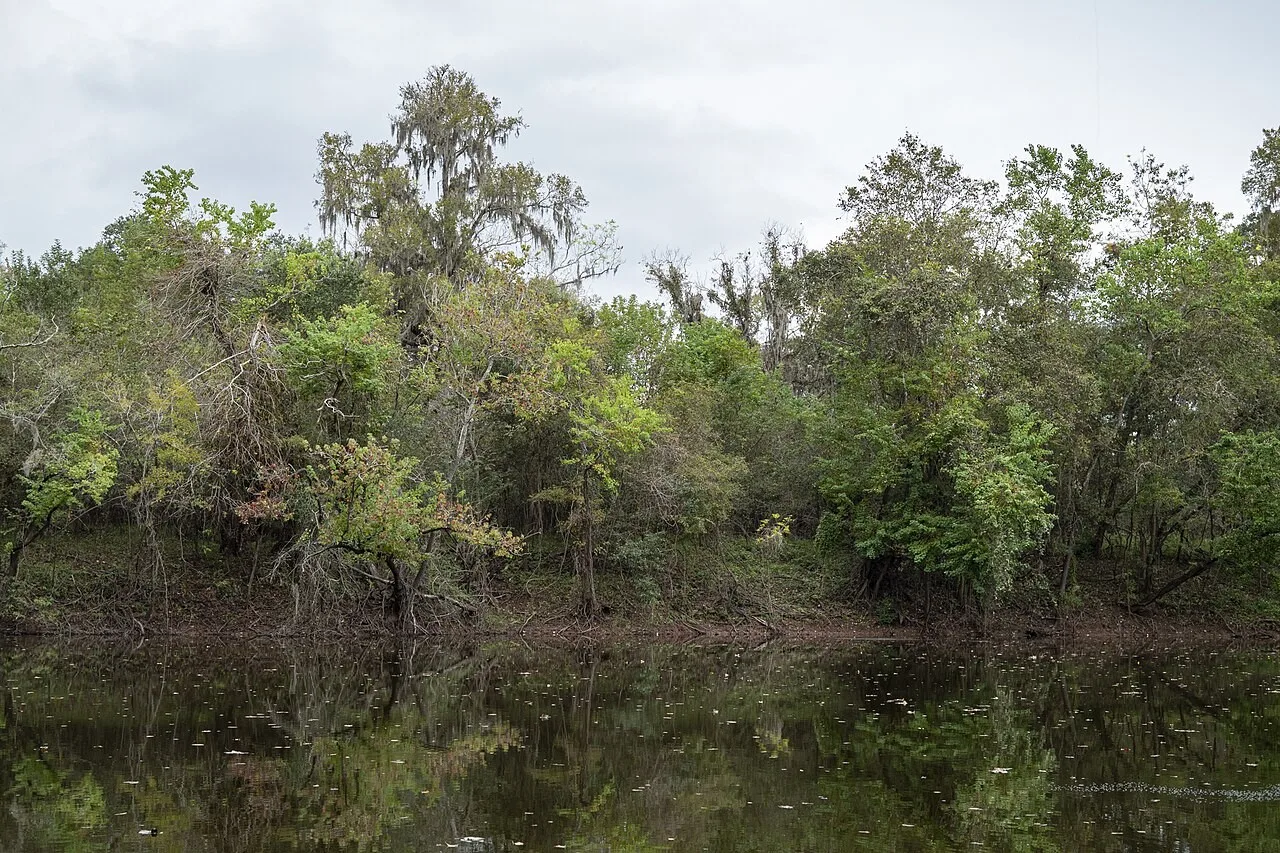
Nature becomes more varied as you move outward. Brazos Bend’s lakes and wetlands invite patient wildlife watching, while Brazoria National Wildlife Refuge opens a much broader coastal horizon of marshes, ponds and prairie. To the north, Double Lake supplies pine-and-hardwood scenery near Coldspring; westward, Stephen F. Austin State Park follows the Brazos through wooded lowlands. Pick the landscape you want to enter. A quiet walk under trees and a birding circuit across open marshland ask for different kinds of attention.
Houston rewards travelers who plan the geography and leave the experience open. Group the museums, give the southeastern attractions their own day, and reserve a separate outing for the region’s wilder edges. Then allow time for the unassuming restaurant, the shaded neighborhood block or the bird that makes you stop the car. The point is to discover how a place of ambitious engineering, deep cultural variety and low, watery landscapes fits together.